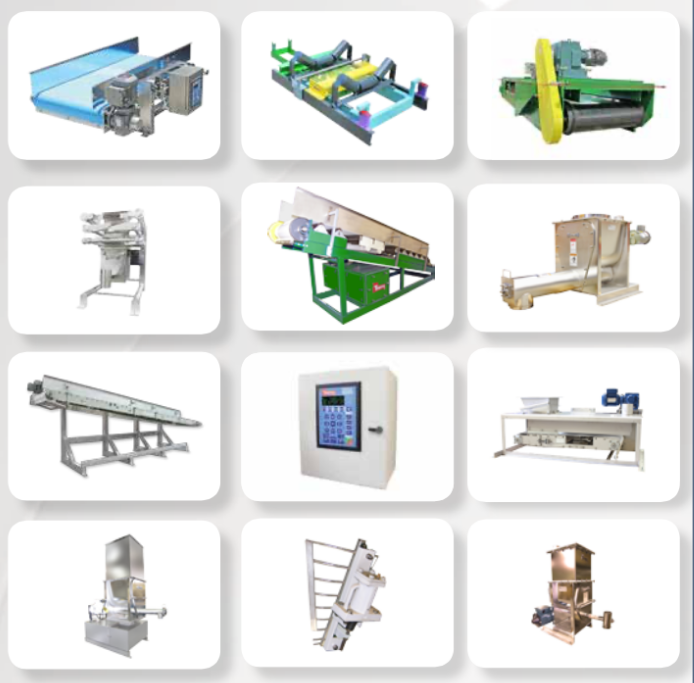

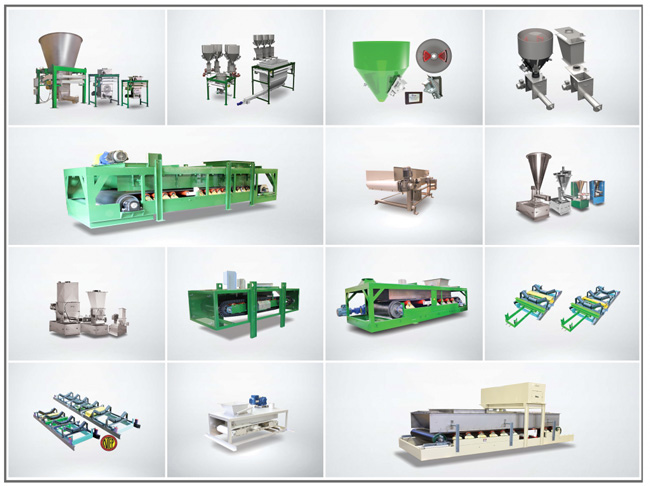
Thayer Scale is a leading global manufacturer of equipment for the continuous weighing industry. Founded in 1949, we provide engineered solutions for the food, energy and building products, and chemical and industrial industries. Our unyielding focus on product line specialization enables us to design and develop market-leading conveyor belt scales and gravimetric feeders.
Innovation—along with a continual commitment to product improvement —drives Thayer Scale’s strategy. We pride ourselves on delivering accurate, “Built to Survive” weighing systems and material-handling solutions that exceed customer expectations. Our customers—many of whom produce end-products for the world’s leading brands—consider us a trusted partner in their manufacturing efforts.
Thayer Scale’s core technologies include:
Scale Technology
Weight-sensing suspension systems provide higher levels of accuracy, improve measurement resolution, and provide immunity to shock, overload, and other process disturbances.
Instrumentation
Thayer’s instrumentation utilizes intuitive, plain-language messaging and patented algorithms that include active disturbance protection. Our instrumentation provides accurate additive proportioning in phase-locked blending systems, tighter tolerances on batch weights, and seamless integration with a user’s supervisory control systems.
Material Handling Solutions
Patented systems include Bridge Breaker® technology, powder handling feeder and the Spiralator™ hopper agitation system.
Collaborative Design and Manufacturing
Our customers have unique manufacturing challenges that need more than a “one size fits all” approach. Thayer Scale specializes in the design and delivery of material handling and control solutions specifically engineered to accommodate unique needs with a long-term, low cost of ownership. Our project engineering team members collaborate with customers throughout the design, manufacturing, and testing phases to ensure operational and cost objectives are met.
The Markets We Serve



Commitment to Accuracy and Long Service Life
Thayer Scale’s continuous weighing and feeding equipment maintains accuracy without the need for frequent calibration or adjustment. For all equipment, the core gravimetric flow rate is derived from direct measurement of mass and velocity variables; there are no inferred assumptions about the materials’ flow properties.
Continuous product improvement and upgrade kits ensure that equipment—in some cases installed more than fifty years ago in harsh operating environments—still operates reliably today.
Innovative Material Test Center
Thayer Scale’s 2,000 square foot, fully-equipped material test center is continuously updated to provide customers with the opportunity to test and evaluate feeder performance in an environment unique to their materials. The test center is equipped with a complete range of Thayer Scale volumetric and gravimetric feeders and proprietary flow aids. Comprehensive test reports and video are provided.